
Wood Fired Hot Tub vs Electric Hot Tub: Which Is Better?
Hot tubs have become one of the most popular ways to relax at home, transforming gardens into luxury outdoor retreats. When choosing a hot tub, one of the biggest decisions is whether to choose a wood fired hot tub or a traditional electric hot tub.
Both options provide warm, relaxing water, but they work very differently. In this guide we compare the advantages, running costs, and overall experience of each type to help you decide which is right for your home.
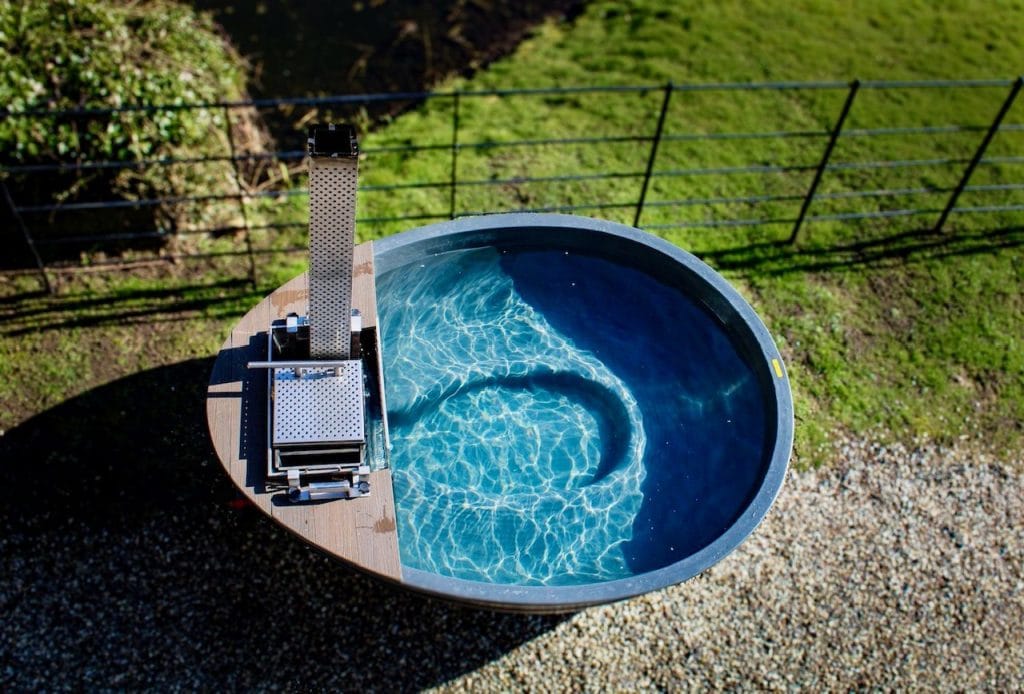
What Is a Wood Fired Hot Tub?
A wood fired hot tub is heated using a built-in or external wood burning stove. Instead of electricity, the heat comes from burning firewood which warms the water naturally.
These tubs are often associated with Scandinavian outdoor bathing traditions and are designed to be used in gardens, holiday lets, and countryside retreats.
Key features of wood fired hot tubs
- Heated by firewood rather than electricity
- No electrical connection required
- Often portable and easier to install
- Creates a natural outdoor spa experience
Wood fired hot tubs are particularly popular for people who want a more natural and traditional outdoor bathing experience.
What Is an Electric Hot Tub?
Electric hot tubs are the more common modern spa systems found in many homes. They use an electric heating element combined with pumps and filtration systems to heat and circulate water.
Most electric hot tubs also include additional features such as:
- Hydrotherapy jets
- LED lighting
- digital temperature controls
- filtration systems
These features make them more similar to indoor spa systems but designed for outdoor use.
Heating Speed Comparison
Wood Fired Hot Tub
Wood fired hot tubs typically heat water in 2-3 hours, depending on the size of the tub and the type of wood used. Because the fire directly heats the water through a stove, the heating process can be surprisingly quick.
Electric Hot Tub
Electric hot tubs usually take several hours to heat, especially if the water has cooled completely. They are designed to maintain temperature over long periods rather than heat from cold quickly.
Winner: Wood fired hot tubs for faster heating from cold.
Running Costs
One of the biggest differences between these two types of tubs is running cost.
Wood Fired Hot Tub Costs
A wood fired tub is powered by firewood, which is often cheaper than electricity. Many homeowners already store firewood for log burners or outdoor fires.
Benefits include:
- Lower ongoing energy costs
- No electricity required
- Off-grid friendly
Electric Hot Tub Costs
Electric hot tubs require constant electricity to maintain water temperature and run pumps.
Typical running costs include:
- electricity for heating
- electricity for pumps and filtration
- chemical treatments
Electric tubs can cost significantly more to run over time.
Winner: Wood fired hot tubs for lower energy costs.
Installation Requirements
Wood Fired Hot Tub
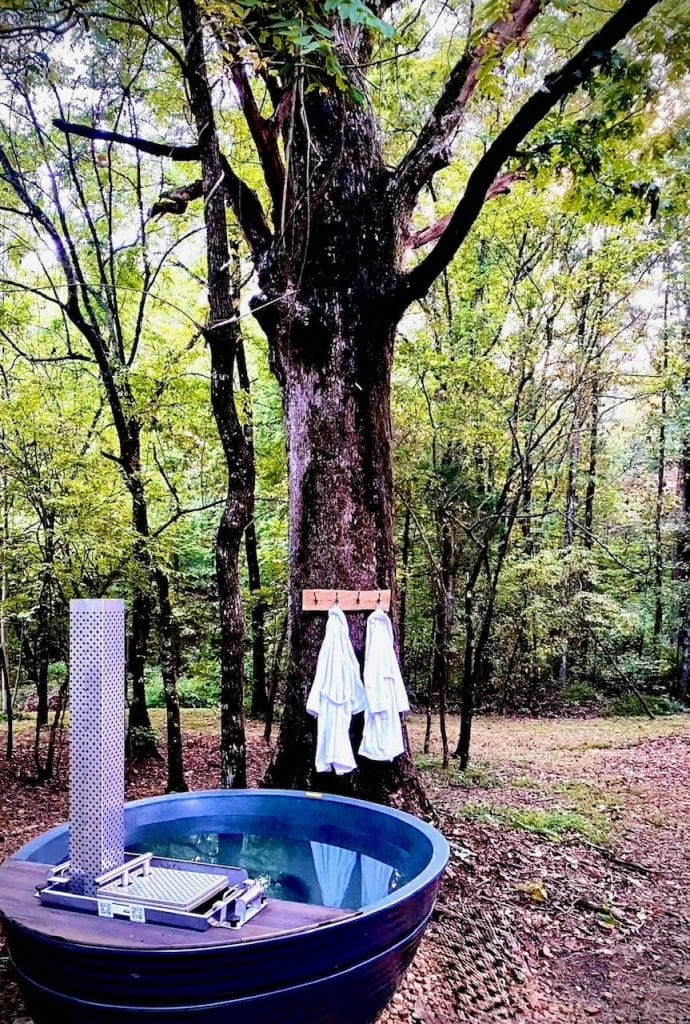
Wood fired tubs are usually much easier to install.
Many models simply require:
- a level surface
- access to water
- firewood supply
There is no need for complex electrical installation.
Electric Hot Tub
Electric tubs usually require:
- electrical supply
- professional installation
- reinforced surfaces
- filtration setup
This can make installation more expensive and complicated.
Winner: Wood fired hot tubs for simpler installation.
The Experience
Beyond cost and installation, many people choose their hot tub based on the experience.
Wood Fired Hot Tub Experience
Wood fired tubs provide a traditional and natural atmosphere:
- crackling fire
- rising steam
- outdoor relaxation
Many people describe the experience as similar to a Nordic spa or sauna tradition.

Electric Hot Tub Experience
Electric hot tubs provide a more modern spa feel with:
- massage jets
- automated temperature control
- built-in lighting
Both offer relaxation, but the atmosphere is very different.
Maintenance
Wood Fired Hot Tub
Maintenance is relatively simple:
- clean the tub periodically
- empty and refill water
- maintain the wood stove
Electric Hot Tub
Electric tubs require more ongoing maintenance such as:
- filter cleaning
- water chemical balancing
- pump maintenance
This can add to the long-term effort and cost.
Which Hot Tub Is Right for You?
Choosing between a wood fired and electric hot tub depends on what you value most.
A wood fired hot tub may be best if you want:
- lower running costs
- a natural outdoor spa experience
- easier installation
- off-grid heating
An electric hot tub may be better if you prefer:
- hydrotherapy jets
- automated heating
- modern spa features
Final Thoughts
Both wood fired and electric hot tubs can provide a relaxing outdoor experience. However, many homeowners are now choosing wood fired models because of their lower running costs, simplicity, and unique Scandinavian spa atmosphere.
If you are looking for a stylish and natural outdoor bathing experience, a wood fired hot tub can be a fantastic addition to your garden.

Maden Eco Fuels supplies and installs wood fire hot tubs across the North East. We deliver to wood fire hot tubs in Newcastle, Durham, Sunderland, Alnwick, Morpeth and Hexham. Browse our Deluxe Premium wood fired hot tub or our square wood fired hot tub to find the perfect model for your garden. We also offer a range of outdoor saunas for the ultimate garden spa experience.